Set Your Underbite Straight With Clear Aligners

Transform your smile with dentist-reviewed aligner plans that are discreet, genuinely effective, and easy on the wallet.

Get Started Now

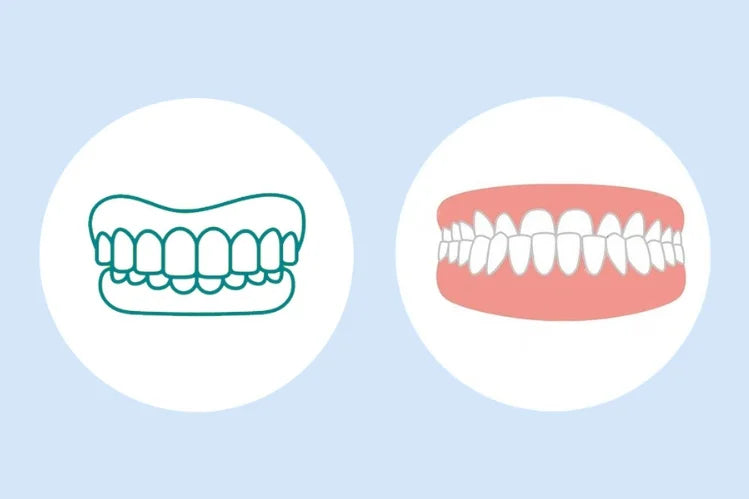
Underbite Teeth Explained

Front View
Side View

Dealing With an Underbite?

An underbite develops when the lower teeth sit in front of the upper front teeth rather than behind them. Beyond how it looks, this kind of misalignment puts real strain on your mouth and can trigger a range of complications if left alone.

Here is a closer look at the problems an underbite can create over time:

Increased Jaw Strain

When the lower teeth protrude beyond the upper ones, the entire bite is thrown off balance. That imbalance creates:

Persistent jaw strain and muscle fatigue that builds up with daily use.

Clicking or popping from the jaw joint whenever you open or close your mouth.

TMJ disorders that show up as chronic headaches, facial soreness, and ongoing jaw pain.

Chewing & Speaking Issues

An underbite does not just affect how your smile looks. It gets in the way of basic functions:

Digestion gets impacted when chewing is compromised and food is not broken down properly before swallowing.

Pronouncing certain sounds becomes noticeably harder, and a lisp develops in some cases.

Meals come with added jaw strain as your mouth works harder to compensate for the uneven bite.

Aesthetic Concerns

The effects of an underbite extend well beyond your dental health:

A visibly uneven bite disrupts the natural symmetry of your face in ways that are hard to ignore.

Smile imbalances can make you feel out of place in social situations or less confident in professional ones.

Many people with an underbite instinctively pull back from smiling fully or avoid showing their teeth.

Fortunately, clear aligners address all of this from the ground up. By steadily repositioning your teeth, they restore bite balance, ease the strain on your jaw, and bring your smile back into proper alignment.

See if You Qualify

What Causes an Underbite?

An underbite can develop for a number of reasons:

Smilepath
Smilepath

Genetics

An underbite is primarily caused by inherited genetics affecting jaw growth.

Smilepath

Childhood Habits

Long-term pacifier use or thumb sucking can push the lower jaw forward.

Smilepath

Missing Teeth

Early loss of baby teeth or abnormal eruption can shift teeth and cause misalignment

Smilepath

Jaw Development

Incorrect tongue posture during growth can affect jaw development and alignment.

How Clear Aligners Fix an Underbite

Clear aligners are a practical, well-tested solution for underbite correction. Rather than fixed brackets and wires, a sequence of custom-fitted, removable trays gradually reposition your teeth into a balanced, functional bite.

Here is how Smilepath Clear Aligners handle an underbite:

Gradual Adjustment: Each aligner applies light, steady pressure that moves teeth incrementally, avoiding the discomfort that comes with sudden forced corrections.

Precision and Control: Every tray is shaped using detailed 3D imaging, so each tooth follows a deliberate, carefully mapped path throughout the treatment process.

Customised Treatment: Your aligners are designed specifically for your mouth, which means a more comfortable fit and results that are consistent from the first tray to the last.

Why Choose Clear Aligners Over Other Orthodontic Treatments

Clear aligners are an increasingly popular option because of their advantages over metal braces and other conventional treatments.

Compare Plans
Compare Plans
Virtually Invisible

Virtually Invisible

Clear aligners blend in completely, making them a genuinely discreet choice. You go about your life, and no one needs to know you are in treatment.

Built for Comfort

Built for Comfort

Crafted from smooth, BPA-free plastic, these aligners sit comfortably against your teeth and gums, without any brackets or wires to cause irritation.

Removable Ease

Removable Ease

Eating, brushing, and flossing all happen with your aligners out. There are no food restrictions, and no compromises on cleaning.

At-Home Convenience

At-Home Convenience

Metal braces need regular tightening appointments. With clear aligners, you simply swap to your next set of trays every few weeks and get on with things.

Customized Fit

Customized Fit

Every set of aligners is built around the exact shape of your teeth, so the fit is precise, and the treatment works as it should.

Smilepath

See the Smiles Smilepath Clear Aligners Have Transformed

See More

Here’s How the Process Works

smilepath smilepath smilepath
1
 Begin With an Impression or Scan

Begin With an Impression or Scan

Use our at-home impression kit or book a digital scan at one of our partner clinics to get your dental profile captured.

2
Approve Your Treatment Plan

Approve Your Treatment Plan

We send you a dentist-approved 3D preview of your future smile. Give it the green light or request changes before anything moves forward.

3
Start Wearing Aligners

Start Wearing Aligners

Once everything is approved, your aligners are sent to your home. From there, you can follow your progress using the Aligner Tracker app.

Begin Your Clear Aligner Treatment Today

Take the first step toward correcting your underbite with Smilepath today. Along with your aligner plan, you get a free teeth whitening kit and retainers thrown in. Still not sure? A quick Smile Assessment can help.

Smilepath

From the Smilepath Blog

Read our articles to find out more about clear aligner treatment:

Explore more
Underbite treatment
January 13, 2025

Understanding Underbite: Causes, Effects, and Treatment Options

Continue Reading →
Underbite treatment
January 27, 2025

Understanding the Difference Between an Underbite and an Overbite

Continue Reading →
Underbite treatment
March 25, 2025

Common Anterior Teeth Problems and How to Prevent Them

Continue Reading →
SmilePath

Frequently Asked Questions

Read More FAQs
How long does underbite treatment take with clear aligners?

Most cases are resolved within four to six months, though more complex misalignments or inconsistent wear time can extend the process.

Are clear aligners suitable for all ages?

Yes, they work well for both teens and adults with mild to moderate underbite issues.

Will aligners affect the way I speak?

Some people notice a slight lisp in the early days of wearing aligners. It typically settles within a week as your mouth adjusts to the fit.

How many hours a day should I wear my aligners?

Aim for 20 to 22 hours of wear each day. Sticking to this consistently is what drives results and keeps treatment on track.

How do I look after my aligners?

A gentle clean with a soft toothbrush and a rinse under lukewarm water each day is all you need to keep them clear and fresh.